
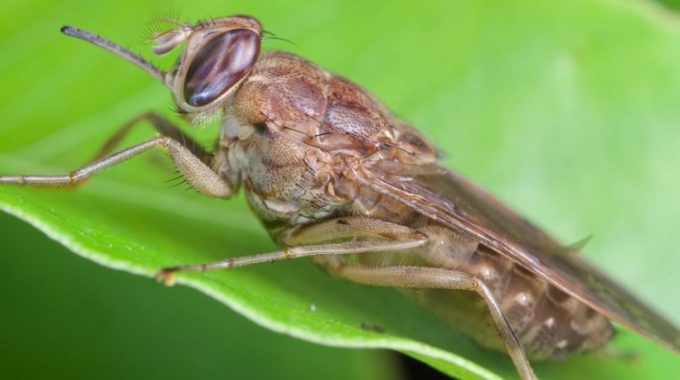
Is a tse tse fly a threat during a Rwandan safari?
Is a tse tse fly a threat during a Rwandan safari?
Planning a memorable Rwandan safari can be a bit tiresome and complicated, however there are certain health precautions to consider for a more successful safari. Researching and inquiring the necessary measures of a particular destination about its health standards is key to one planning a safari with in the land of a thousand hills.
Many people visiting Rwanda, worry a lot about various insects for instance the tse tse flies and mosquitos. Although these insects especially the tse tse flies turn out to be a major health hazard in some regions of sub-Saharan Africa, in Rwanda they happen not to be due to the quality control measures installed.
In this guide we are going to discuss whether tsetse flies are an issue on Rwandan safaris and if they, are what are the possible solutions to do.
What are tse tse flies?
Tse tse flies are defined as tiny blood feeding insects that can be spotted with in the sub- Saharan parts of Africa. They can easily be mistakenly with the house flies due to their size and shape. Tse tse flies are among one of top threats to people while on a safari since they mainly feed on blood of animals involving even the human beings. These insects are always active during day unlike with the mosquitoes.
Are tse tse flies a risk in Rwanda?
Tse tse flies are not generally a risk with in Rwanda compared to Rwanda’s neighbouring countries for instance Democratic Republic of the Congo, Tanzania or Uganda. Rwanda is not considered to be at high risk for tsetse flies or sleeping sickness with in its regions. Here are some of the relevant factors to consider before concluding whether tse tse flies are a threat while on any Rwandan safari.
Geography and Climate: The majority of Rwanda’s national parks and well-known safari destinations for instance Akagera National Park, do not primarily serve as significant tsetse fly habitats due to the country’s steep sloes, topography and climate. These features do not act as favourable grounds for tse tse flies.
Cases of Sleeping Illness in Rwanda: Rwanda has been the source of relatively few, if any, recent reports of sleeping sickness cases. Rwanda does not qualify on the list of nations with active disease transmission zones by the World Health Organization (WHO) or other health organizations thus not them being a threat while on your safari with in Rwanda.
Vector Control Strategies: In Rwanda’s protected game parks, there has been an introduction of surveillance and vector control measures. Some of these measures include habitat modification, insecticide-treated traps, and continuous entomological surveys. Many protected areas of Rwanda’s have installations of tse tse fly traps in order to control this issue.
Top Rwandan Safari Destinations and their breakdown for Tsetse Fly Risks
Akagera national park.
Akagera National Park is a savannah park located in the northeastern region of Rwanda. The park is home to a wide range of attractions, including rich birdlife, beautiful savannah landscapes, and unique species not forgetting its concentration of the Big Five. The top activities to do with in the park include game drives and boat cruises.
NB: Despite the fact that tse tse flies may tend to survive in the savanna setting, no significant problems have been reported with time. However, park officials have managed to employ monitoring equipment and traps in order to control this issue.
Volcanoes National Park: Famously known for its large concentration of mountain gorilla and golden monkey trekking opportunities, Volcanoes national park stands out as a must visit destination on any safari in Rwanda. The park is located in the north western parts of Rwanda and it is encompassed with in Virunga Mountains thus offering stunning landscapes, a wealth of wildlife, and the opportunity to observe uncommon animals and bird species. The park is also famous for its American primatologist (Diana Fossey) who almost spent all her life conserving mountain gorillas.
There are many activities to do with in this park such as gorilla trekking, Golden monkey trekking, hiking, visiting Ellen degenres camp, Hiking Diana Fossey tomb, cultural encounters and many more. Travellers visiting this park should be 100% contented that the area is less infected with tse tse flies.
NB: Because of its high altitude and cold weathers tse flies cannot survive with in such an area.
Nyungwe forest national park: The park is situated with in the south western parts of Rwanda. The park is home to a tropical rain forest and its rich bio diversity including numbers of primate species such as the Chimpanzees and monkeys. There are many activities to do in Nyungwe national park such as Chimpanzee trekking, waterfall hike, canopy walk, ziplining and many more.
NB: Due to high elevation rainforests are inhospitable to Tsetse flies.
Other Insects to Be Aware of During a Rwandan Safari.
Although tsetse flies are not a big problem in Rwanda, there are some insects that are harmful to your health and at times can be a nuisance. They include mosquitoes, safari ants blackflies and sandflies which can be traced in some wooded, hiking zones and marshy places. For the mosquitoes, you need to sleep under treated mosquito nets, and carry your insect repellents with you.
Should Safari Tourists Worry About Tsetse Flies in Rwanda?
No, safari tourists should not worry a lot since tse tse flies are not a major concern, however its very advisable for travellers to follow certain precautions for a more successful safari.
Pack the appropriate clothing: Always carry long sleeved clothes with neutral colours (light grey, beige, or khaki). When relaxing around areas close to the bushes, especially in the morning or evening always wear long sleeves and long pants.
Equipment and insect repellent: Carry the insect repellents with you since you will be applying it to your skin in order to prevent insect bites. Additionally, we highly advise you to book lodges that have screens and nets for your safety measures. Additionally, permethrin can still be used to treat your clothes or equipment.
Avoidance techniques: Avoid entering into deep bush without a guide and instead try to stick on walking or driving trails.
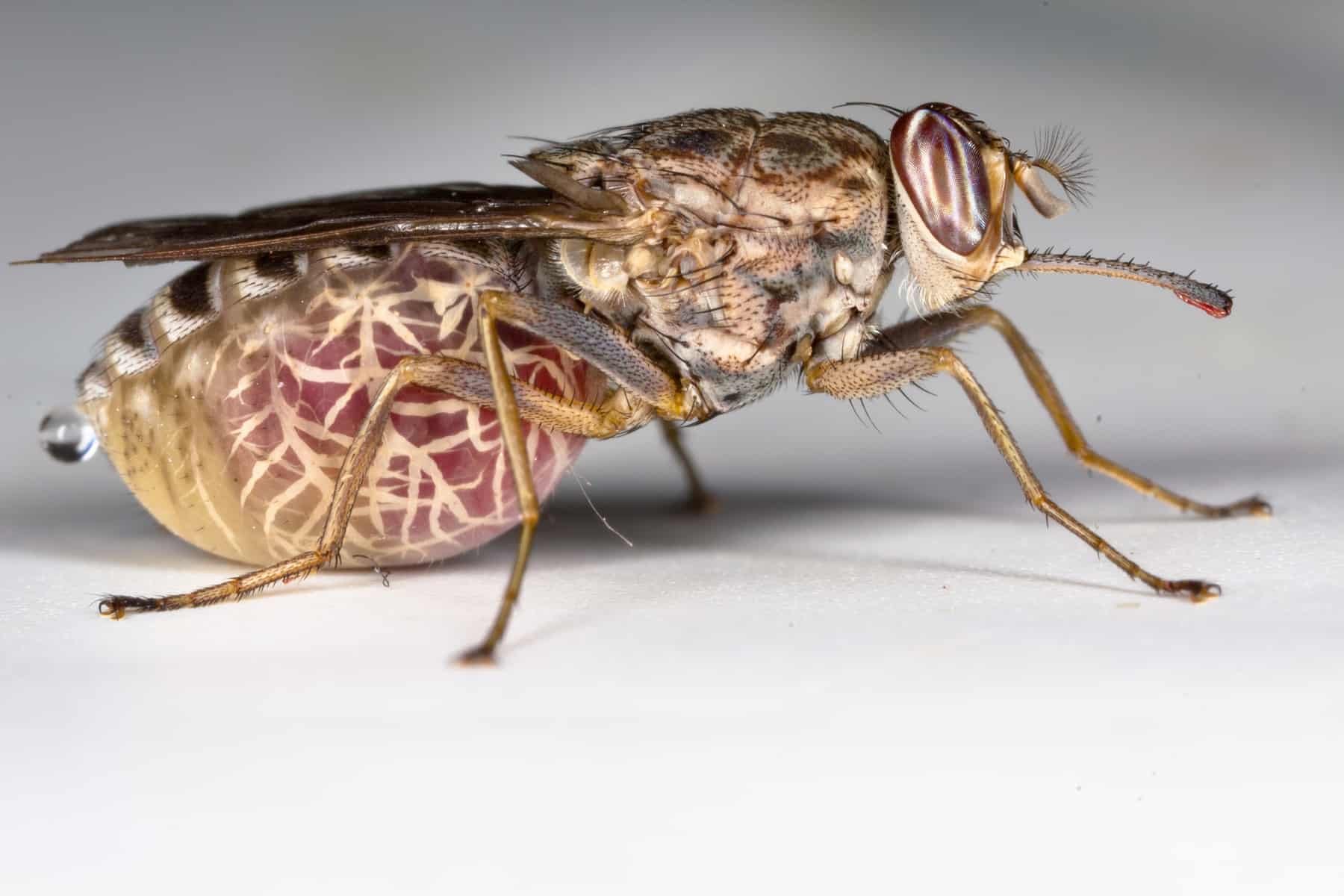
Proper planning: Always plan your activities in their specific periods when this tsetse is not highly active. In case you are near any body of water or in an area with swampy or moist vegetation make sure you carried your insect repellent with you.
Before boarding your truck, inspect the equipment: Be mindful that tsetse flies may settle on cars; at the very least, thoroughly inspect the doors and seats before getting inside.
Health pre cautions: The risk of human sleeping sickness is quite minimal, but it is still advisable for travellers to be aware of the symptoms of sleeping sickness. Some of these symptoms are fever, headache, weakness, sleep disturbance, and neurological indications.
Recognizing Park regulations and guidelines: Always pay attention to the park rules and regulations. This will help to guarantee that you have a safe safari experience in Rwanda.